Guide: contaminated water
Sewage backup in a Los Angeles home: what to do first
A sewage backup is the one water problem you should not clean up yourself. The first steps are about stopping it from getting worse and keeping people away from it.
By June Calloway, Restoration Guides Editor Updated September 2026
24/7 emergency line
(323) 709-0141- 1Stop all water useNo flushing, no showers.
- 2Keep everyone outKids and pets especially.
- 3Two callsPlumber and restoration.
Quick answer
If sewage backs up into your Los Angeles home, stop using all water immediately, keep everyone out of the affected rooms, and do not try to clean it yourself. Call a plumber to clear the line and a restoration company to contain, remove and disinfect. Check whether your policy has a sewage backup endorsement.
Right now
Step one: stop using water everywhere
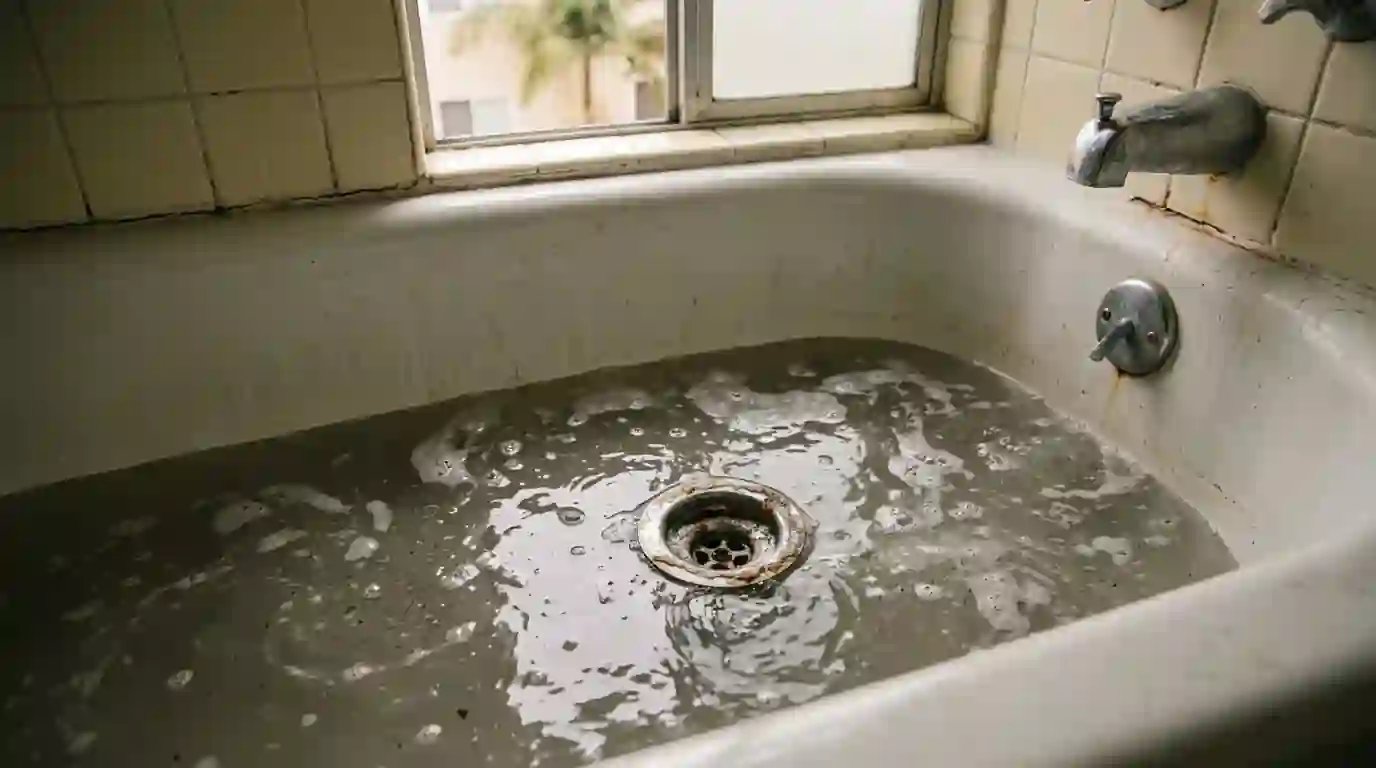
When the main sewer line is blocked, every drop that goes down any drain in the house comes back up at the lowest fixture, usually a ground-floor shower, tub or floor drain. So stop flushing toilets, running the washer or dishwasher, and using sinks and showers. Tell everyone in the house.
If sewage is still rising, that is usually why: someone upstairs is still using water. It stops rising when water use stops.
Safety
Step two: keep people and pets away
Sewage is the most contaminated category of water. It carries bacteria and other contaminants, and anything porous it touches, like carpet, pad, drywall and upholstery, absorbs them. Keep children, pets and anyone with a weakened immune system out of the affected rooms, and close the doors.
If sewage reached electrical outlets or cords, switch off those circuits at the panel, but only from dry ground. Do not walk through it barefoot.
Leave it
Why you should not clean it yourself
Mopping sewage spreads it into grout, seams and the edges of drywall. Household cleaners do not disinfect porous materials, and drying contaminated carpet or drywall in place locks the contamination in. Proper cleanup needs protective gear, containment so it does not get tracked through the house, removal of porous materials, and disinfection of what stays.
Our sewage backup cleanup page walks through that process.
Sewage coming up a drain right now? Stop using water and call; we will take it from there.
Call (323) 709-0141Who to call
Step three: two calls, two trades
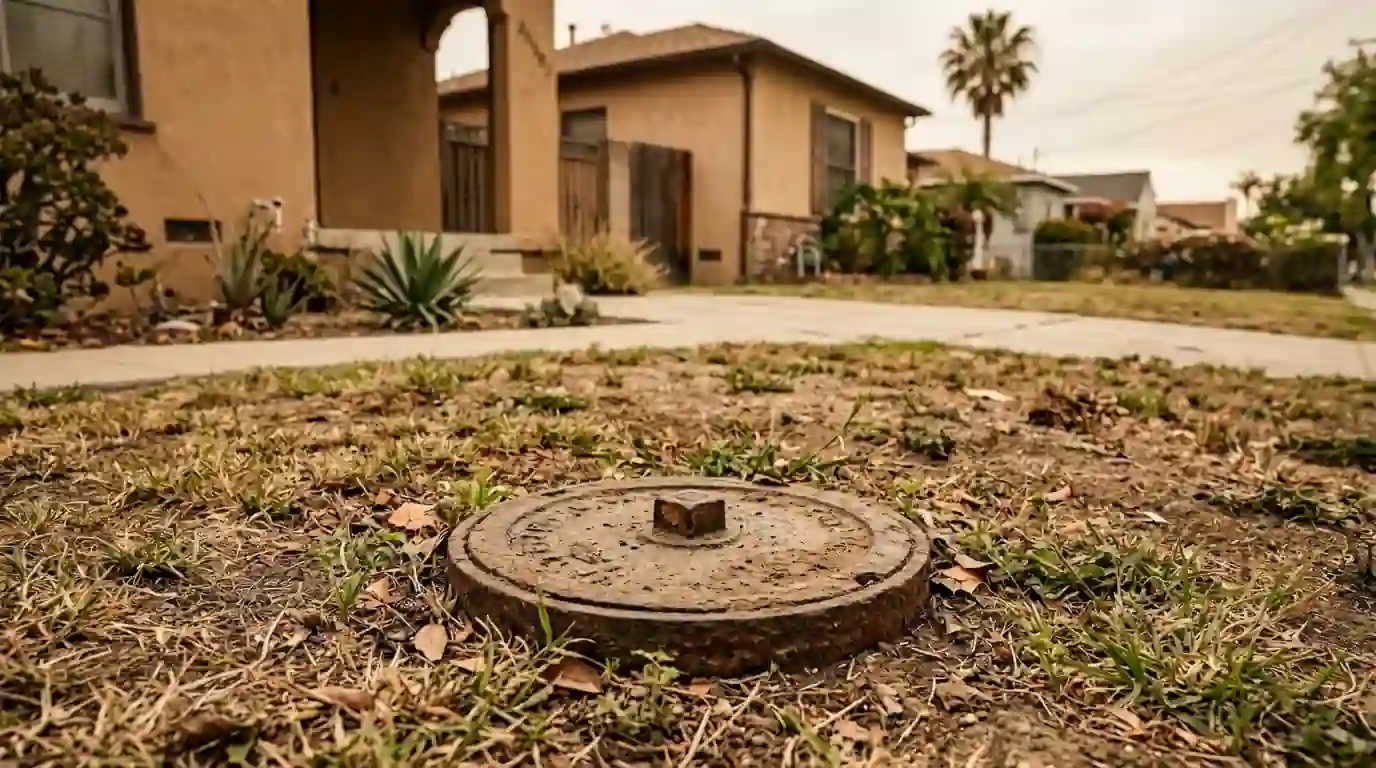
You need a plumber to find and clear the blockage, usually with a camera down the line from the outdoor cleanout. Roots, grease, a collapsed section or a problem on the city side are the common causes. Until the line is cleared, the backup can happen again.
You need a restoration company for the damage inside. Tell dispatch which fixture overflowed, how far the water spread, and whether it reached carpet, a hallway or under a wall.
Early signs
Warning signs before a full backup
A main line rarely blocks without warning. Toilets gurgle when the washer drains, the tub fills a little when a toilet is flushed, several drains slow down at once, or a sewer smell drifts up from floor drains. Any of those means the line is partly blocked.
That is the time to call a plumber for a camera inspection, before the line closes completely. Clearing a partial blockage is far cheaper than cleaning up after a full backup.
Shared buildings
If you are in an apartment or condo
In a building, a blocked main line backs up into the lowest units first, usually ground-floor bathrooms and laundry rooms. Call the manager or association right away, and ask them to tell every unit to stop using water until the line is cleared.
Photograph your unit and keep your own record. The building usually handles the line and common areas; your belongings are usually a renters or unit-owner policy matter. Our apartment water damage page covers how multi-unit jobs are documented.
For the claim
Document before anything is removed
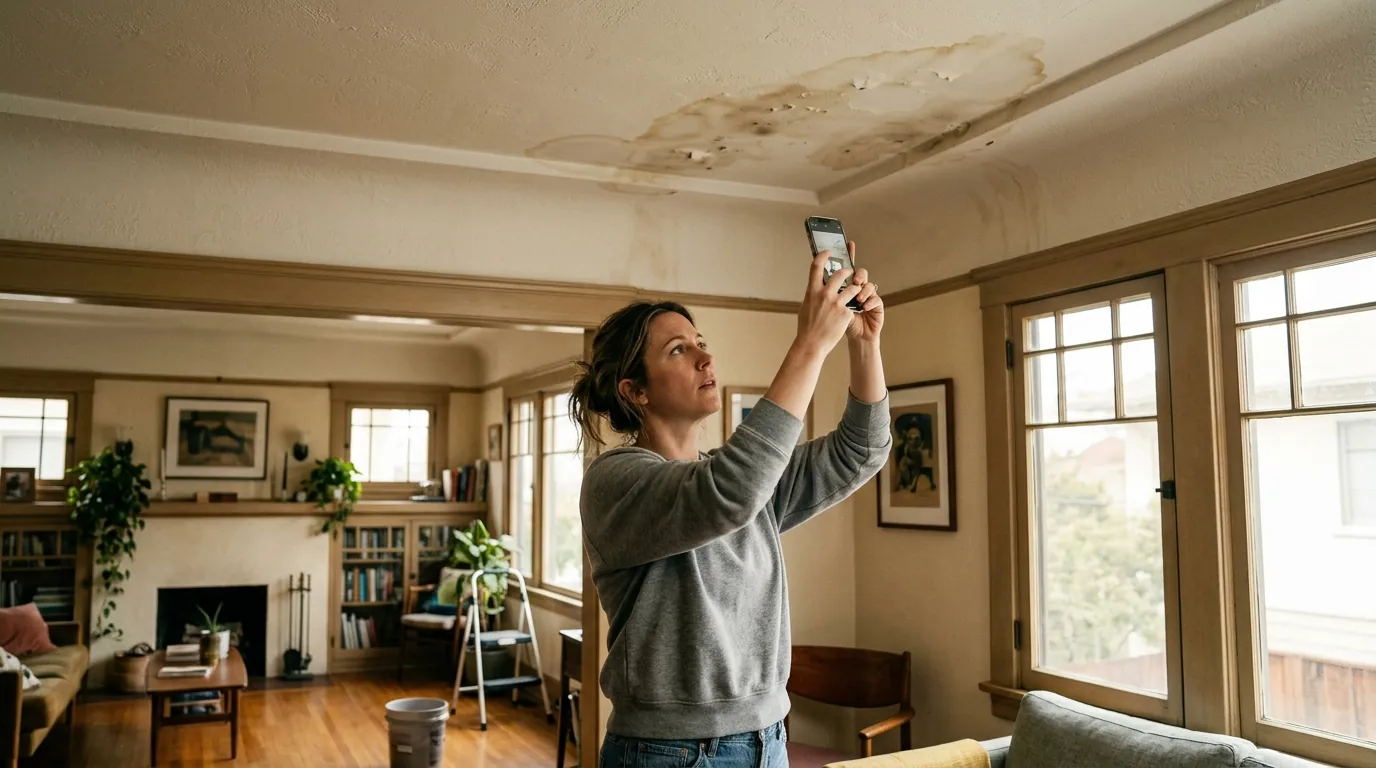
Photograph the affected rooms, the fixture that overflowed and the water line on walls and belongings before cleanup starts. Note the time you found it. Keep a list of damaged items; most porous things sewage touched will be discarded, and they need to be on record first.
Our claims guide covers what adjusters usually ask for.
Coverage
Insurance: check for the endorsement
Standard homeowner policies often exclude sewage backup unless a separate sewage or water backup endorsement was added. Call your agent or insurer early and ask directly. Either way, the cleanup has to happen, and documentation helps whatever the answer.
In the Los Angeles and Long Beach area nearly every home drains to public sewer, so a backup is almost always the private line between the house and the street, not a septic system. Knowing that helps when the plumber explains where the blockage is.
The work
What cleanup involves and what it costs
The affected area is contained, contaminated water extracted, porous materials removed and bagged, every remaining surface disinfected, and the structure dried. Only then is anything rebuilt.
2026 cost guides put black water mitigation at $7 to $7.50 per square foot, with typical jobs at $3,000 to $10,000 or more, and uninsured sewage losses reaching $10,000 to $40,000 or more. These are planning ranges, not quotes.
FAQ
Questions readers ask
Usually a blockage in the main line: roots, grease, a collapsed pipe or a city-side problem.
Usually, with the affected rooms closed off and no water use until the line is cleared.
We advise against it. Sewage needs protective gear, containment and removal of porous materials.
Often only with a sewage or water backup endorsement. Ask your insurer.
Yes. Carpet and pad that sewage touched are removed, not cleaned.
Have the line camera-inspected and repaired; roots and grease tend to return.
Keep reading
More from our restoration guides
Filing a Water Damage Claim in Los Angeles, CA
Filing a water damage claim.
Filing a water damage claim, explainedWater Damage Categories and Classes, Explained for LA Homes
Water categories and classes.
Our guide to water categories and classesWater Damage in an LA Rental: Who Handles What
Water damage in a rental.
Our guide to water damage in a rentalSewage in the house right now?
Stop running water, keep people out of those rooms, and call us.
24/7 emergency line
(323) 709-0141